The Future of Wearable Neurotech: Patent Protection and Data Privacy Considerations
Share:

Michael N. Cohen
The Future of Wearable Neurotech: Patent Protection and Data Privacy Considerations
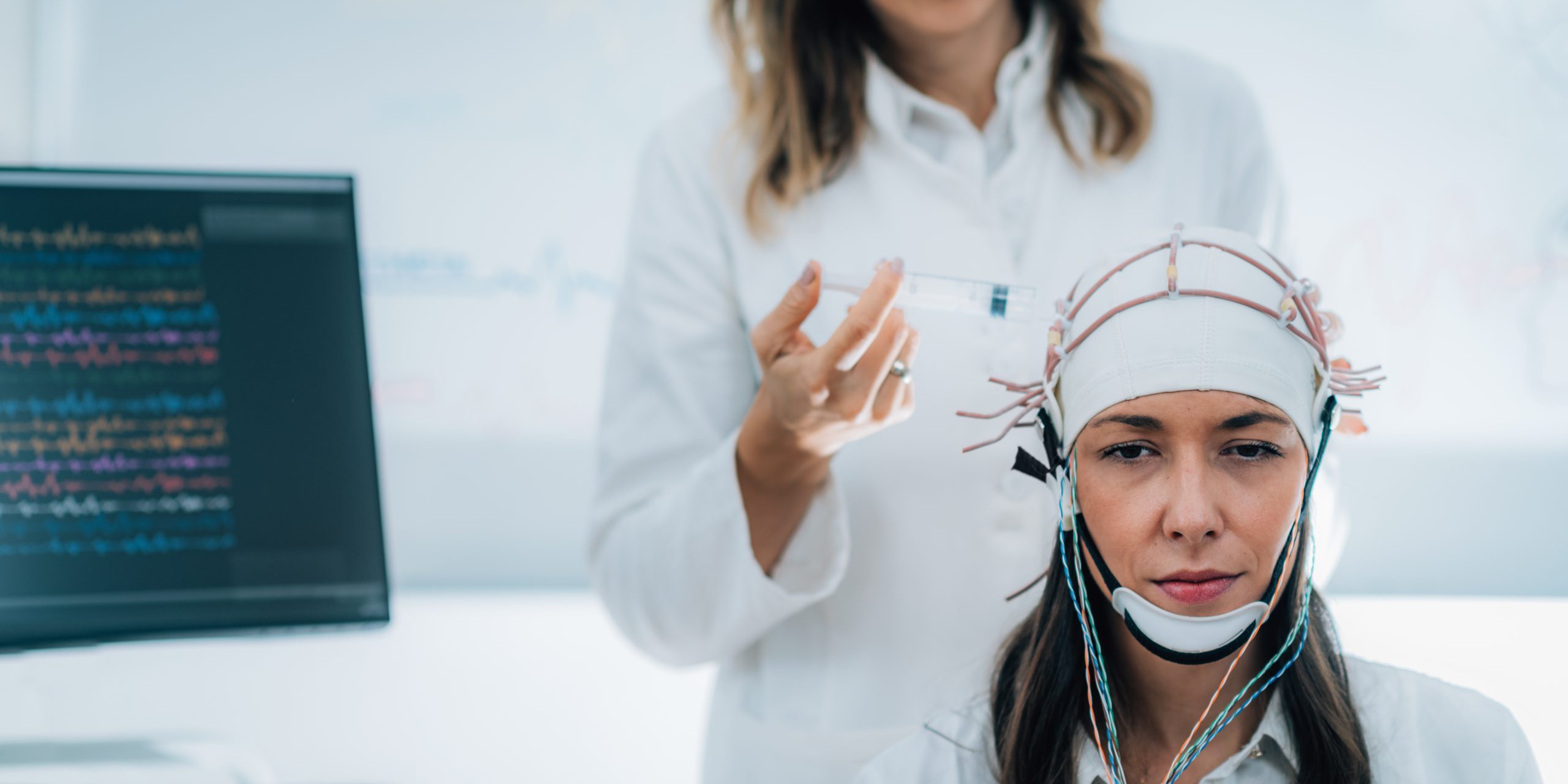
The wearable neurotechnology revolution is transforming the worlds of healthcare and consumer electronics at an extraordinary speed. Elapsed time from advanced concepts of wearable brain monitoring technologies, alongside tools for cognitive enhancement and systems for neural feedback, to actually available devices has been minimal to nonexistent. The market for devices that monitor brain activity and enhance cognitive function and human performance is expected to reach $34.93 billion this year. Wearable devices that connect to the cloud and to your doctor are expected to be the basis for much of the next decade’s growth in the $225 billion healthcare tech industry. But as wearable neurotech becomes a reality, the vigilance necessary to protect the copious amounts of IP that companies involved in this field have created will become all the more important.
Patent Protection for Wearable Neurotech
Patents are vital for protecting wearable neurotechnology. They serve to protect our novel inventions from others making, using, or selling what we have invented. To date, the United States is the clear leader in the IoMT wear device space, having over 600 patents filed in this area. Europe is very close behind, with around 500 patents filed, most of which come out of Germany, France, and the UK. There are some important considerations for obtaining protection in the U.S.
1. Utility Patents for Wearable Neurotech Devices
New and useful inventions, including the following, are granted protection by utility patents:
- Hardware Innovations – Parts of neurotech devices that are tangible (sensors, electrodes, components of brain-computer interfaces) and that make up the industry (the Internet of Medical Things, or IoMT) wearable devices. Wearable devices are part of a burgeoning industry. Neurotech is at the cutting edge of innovation because its developing precise and compact systems for monitoring vital signs and that are diversifying (think: heart rhythm assessments).
- Software, Computation, or Processing Innovations – Methods of AI-driven neural data processing, neural data signal interpretation, brainwave analysis, deep learning, computational neuroscience, etc.
- Neurostimulation Techniques – Methods that electrically, magnetically, or optically stimulate the brain (or parts of it) so that its workings can be observed for science or law enforcement (see: government).
Neurotech patents are likely to provide an even more solid barrier against competitors by being very broad and very deep.
2. Design Patents for Aesthetic and Ergonomic Features
Innovative designs characterize wearable devices, and that enables them to offer both user comfort and convenience. To cover the designs they create, some areas of protection that developers can secure design patents; coverage can include, but is not limited to:
- Headband or Headset Designs – Sleek, ergonomic, and friendly are three must-have qualities for any shape wearable, and are a great candidate for design patent protection.
- Electrode Placement Configurations – This is a fancy way of saying where the electrodes go, but it’s an important statement, and a necessary one. When the electrodes do not land in the right places, the signals that the device is meant to collect can receive errors.
3. Patentability Challenges and Considerations
The wearable neurotech patent process may hit some potential pitfalls during prosecution, and businesses must prepare for these ahead of time.
- Patent Eligibility Problems – The USPTO has a lineage of cases regarding whether the subject matter is even eligible for patent protection. This particularly adversely affects the eligibility for patenting software and algorithm-based inventions. But of course with proper focus and drafting the application, these rejections commonly known as § 101 rejections, can be overcome or avoided.
- Finding Prior Art – A key step in establishing the necessary inventiveness for a patent is digging deep to find any existing neurotech patents. Typically, but not always, we conduct a patent search prior to filing.
- The Convergence Problem – Innovations in neurotechnology are converging with biomedical, AI, and consumer electronics technologies, so companies must span multiple disciplines to adequately cover their IP.
Other Forms of IP Protection
Along with patent protection, companies must also deploy the following safeguards:
- Trade Secrets – To keep their algorithms and manufacturing processes—as well as data processing methods—under wraps, companies use NDAs and confidentiality agreements and place strict protocols to maintain the trade secret.
- Trademarks – Wearable neurotech devices get branded with unique and memorable names, logos, and slogans.
- Copyrights – Companies stake their claims over the software code, UI/UX designs, and instructional materials that help make their products work.
Data Privacy Concerns in Wearable Neurotech
The private nature of neural data collection and processing requires companies to concentrate on data privacy matters that go well beyond the protection of intellectual property. This is because neural data are high-risk data under data protection laws due to their unprecedented potential for use in ways that could harm the individual.
Key considerations include:
- Compliance with Data Protection Laws – Neural data falls under the risky categories of the GDPR and CCPA, for which the law demands that companies handle such data with great care.
- User Consent & Transparency – Companies must clearly and comprehensibly tell users how their data will be used before using it and obtaining consent.
- Security Measures – Neural data needs encryption measures along with highly sophisticated secure systems to put a stop to any unauthorized access.
- Ethical Considerations – With neural data, the organizations using AI in any form really need to start thinking hard about using it responsibly.
For wearable neurotech to move forward, companies need to ensure robust intellectual property rights. Why? Because strong IP allows for innovation and renders the kind of competitive edge necessary in today’s marketplace.
Paying for patents is a good start, but (and it’s a big but) the cost-benefit ratio of patenting is a poor one. Thus, we will need to employ not just an obvious use of trade secrets, but also a not-so-obvious use of trademarks and copyrights to do all we can to establish our neurotech line in the marketplace.
Organizations applying for work using neurotech need to engage well-seasoned intellectual property attorneys who can synoptically view not only the pre- and post-invention lifecycles of the devices but also the mind-blending patent strategies needed to protect such inventions.